
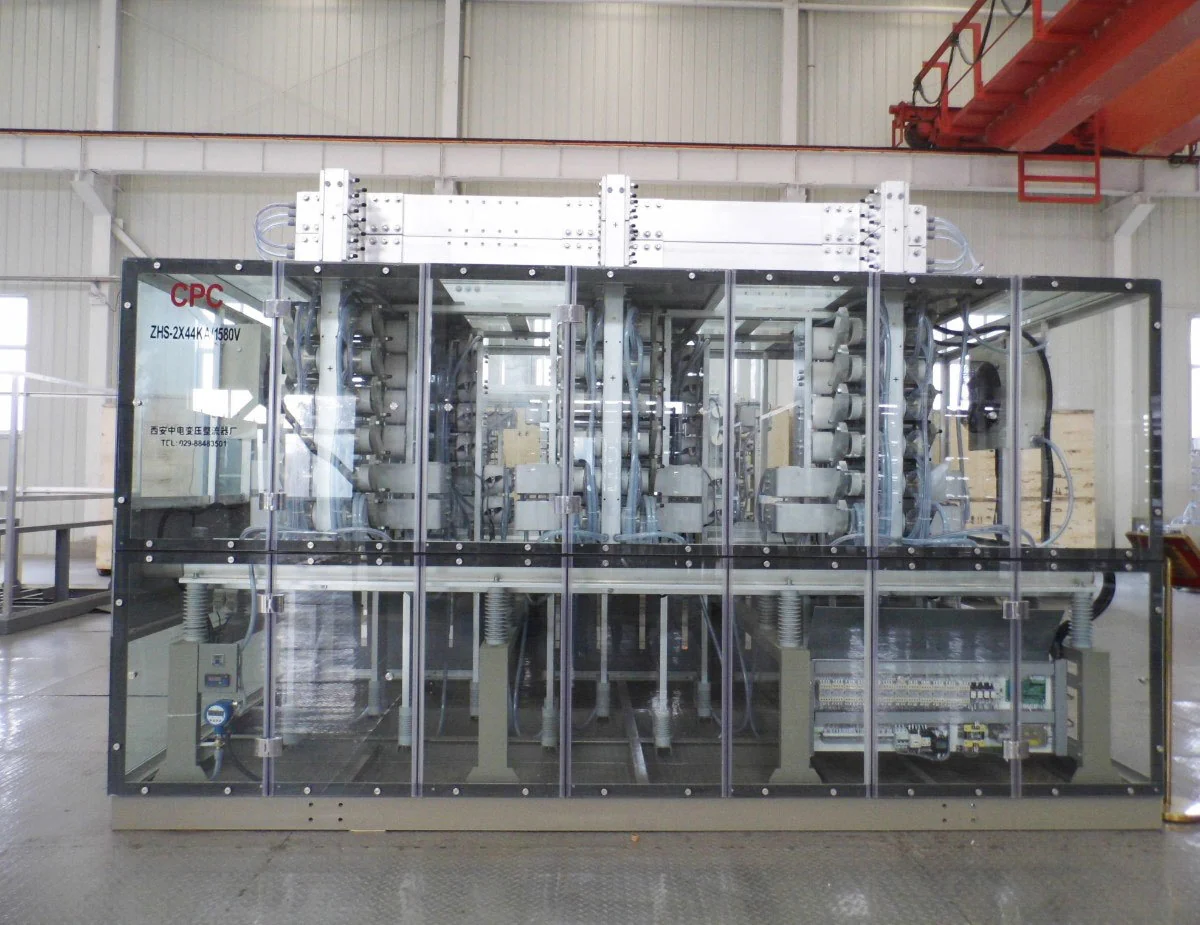
An industrial rectifier is part of a wider DC power system. The process load, incoming supply and installation conditions shape how the transformer, rectifier, controls, busbars and cooling are arranged.
A useful project discussion starts with those system boundaries, then moves through equipment design, manufacture and commissioning.
Start with the process and electrical requirements
Define the application and required DC current and voltage, then share the incoming AC supply and expected operating conditions. Space, indoor or outdoor installation, cooling resources and the route to the process load also affect the equipment layout.
Design the equipment as one system
The rectifier, transformer, controls and busbars need to work together. CPC's product range includes vertical, top-middle-bottom, horizontal and outdoor rectifier arrangements for different industrial settings.
Control planning connects local operation and the plant interface with the selected power equipment. CPC's control-system material shows the rectifier, intelligent trigger, PLC, touch screen and networked monitoring as related parts of this architecture.
Manufacture and check the equipment
With the configuration agreed, manufacture and factory testing provide an opportunity to check the assembled equipment before it goes to site. CPC's historical KHS-16.5KA/250V test for a Malaysia project is one example of a documented factory test.
Prepare installation and commissioning
Site preparation should cover equipment access, transformer and rectifier connections, cooling, control signals and the commissioning scope. CPC's service offering includes installation guidance, commissioning, training and after-sales support.